

Types of Vehicle Diagnostics
Diagnostics on vehicles are used to diagnose a variety of car issues. There are many types of diagnostic tools available. The service technician will select the most appropriate one based on the condition of the vehicle and the situation. These tools include OBD-II and CANBUS. Technicians can identify the issue and make the required repairs using the appropriate tool.
OBD-II
OBD-II car diagnostics are conducted by using sensors to identify problems with vehicles. These sensors transmit abnormal information to the vehicle's engine control unit (ECU) which then stores it as a Diagnostic Trouble Code. This code is a string that contains numbers and letters that indicates the nature and the source of the issue. OBD-II codes are applicable to all areas of a vehicle, such as the chassis, body powertrain, the network, and.
A variety of tools can be utilized to perform OBD-II vehicle diagnosis. These tools can be simple tools for the consumer and more advanced OEM tools, and even vehicle system for telematics. The most basic tools are hand-held scan tools and fault code readers. There are also durable and sophisticated devices that are available.
A scan tool is a gadget that can read the diagnostic trouble codes that are stored in a vehicle’s computer system. It can also read the vehicle's VIN. OBD-II scanners also come with a feature which allows them to read codes from any protocol. The data can be read and interpreted by a mechanic, and they can provide you with the needed details about the issue with your vehicle.
OBD II vehicle diagnostics are a great way to save money as well as improve the performance of your vehicle. They can also provide information on the condition of key engine components as well as emission controls. This information is useful for diagnosing issues quickly and efficiently.
CANBUS
If you own a CANBUS-compliant vehicle, you can perform a complete system scan using the scan tool. This will let you identify which modules are expected to be on and which are not. If one or more of these modules is not working, it could be an indication of a communication issue or wiring issue.
The CAN bus can be affected by a variety symptoms, including partial or total loss of vehicle functionality. These issues can cause an audible warning or a visual indication for the operator of the vehicle. Software errors may also be the cause. A CAN bus error can also cause a defective charging system, low battery voltage or improper connections.
Low resistance readings on CAN ports are an indication of a malfunctioning CAN or wiring harness. Some CAN devices include an internal termination resistor, that switches off and on when the device is powered up. The manufacturer's service instructions should contain the internal termination resistors that are available for a specific CAN device.
The CAN bus protocol is a message-based protocol designed to communicate between automobile components. In addition to providing communication between vehicles, it also reduces the use of copper by using multiplex electrical wiring. Each device transmits information within a frame that is then received by any other device on the network.
Check engine light
A check engine light on your car could be a sign of an issue that's serious. You should have your car checked in the event that you see an red or orange light. The sooner you get it fixed, the cheaper it will cost. You may also experience other signs, like engine noises or unusual engine sounds.
Whatever the cause regardless of the cause, the Check Engine Light is meant to warn you of an issue in your vehicle. This icon with the shape of an engine is usually located in the instrument cluster and will illuminate when the computer in your car detects the presence of a problem. The indicator can be activated by a myriad of issues however, sometimes it's as simple as a gas cap that isn't tight enough or a damaged spark plug.
A issue with your exhaust system might also be the cause of the Check Engine Light. This light could be caused by an EGR (exhaust gas recirculation valve). These valves don't need regular maintenance, but can become blocked with carbon and require to be replaced. EGR valves that aren't functioning properly can result in higher levels of emissions. Once you've fixed this issue, the car's sensors will switch off the light automatically. If your car's CEL is on for more than three days, you might be able to do a second check or manually reset the light.
A diagnostic scan can reveal the issues that cause your Check Engine Light to turn on. Sometimes an easy scan with the basic scan tool can reveal the exact problem. For more complex issues you'll require an expert scan tool.
Troubleshooting diagnostic codes
Diagnostic trouble codes, also known as DTCs are digits that are that describe the issue with your vehicle. These codes vary in length from one to five characters and could represent anything from a warning light to a malfunctioning engine. These codes can be used for troubleshooting and pinpointing the source of the problem.
Although DTCs are used to diagnose issues with vehicles but not all are serious. Sometimes, trouble codes can signal that the sensor circuit is not functioning properly or that there is a problem with the emissions control system. Once you have identified the root of the problem you can begin figuring out the solution. It is crucial to know where the trouble codes are located in your vehicle. Typically, DTCs are stored in the Engine Control Module (ECM) or Powertrain Control Module (PCM).
Trouble codes for diagnostics are important in determining the type of problem is causing the issue. They can aid a mechanic diagnose problems and determine the repairs needed. The check engine warning light could be a sign of a problem with the fuel level sensor circuit. It could also be a sign of a problem with the emissions idle control system. In other instances the light may be a sign of something more serious, for instance, the gas cap being loose.
Some of these codes may be serious and require immediate repair. It is essential to determine which DTC is the most urgent and urgently repair if you have more than one.
Checking fuel supply
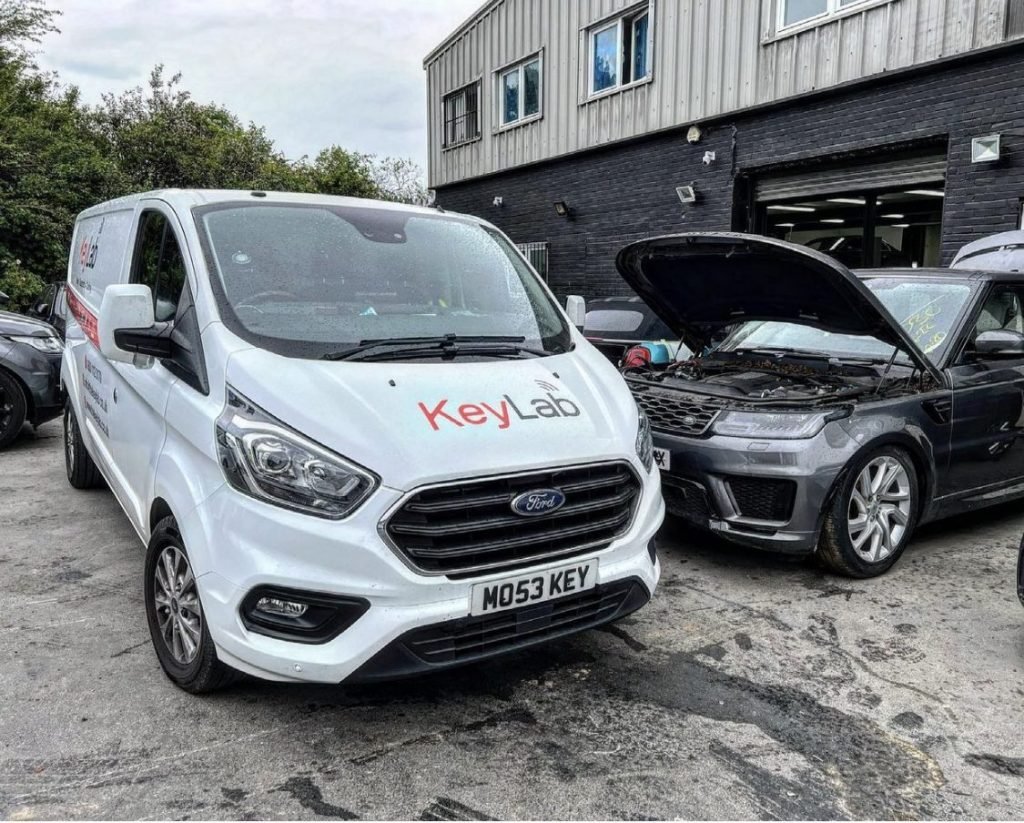
Volume and pressure in the fuel tank can be a critical component of vehicle diagnostics. A malfunctioning fuel pump could generate diagnostic trouble codes in the computer of your vehicle. You can identify these codes by using a code reader or scan tool. Many auto parts shops offer code reading services free of cost. You can also purchase inexpensive code reading devices for smartphones. Once you've identified what to look for, you can begin taking a look at the pressure inside your fuel system.
It's a step-by- stage procedure to test your fuel supply. It's relatively easy to perform. The first step to check the fuel system is to listen for an audible hum. It should last for about two seconds before stopping. If you hear a humming sound, it indicates that the electrical circuit is operating properly. If it doesn't, you'll need to perform further diagnostic tests.
You can also check the fuel pressure and the MAF sensor to see if there are any leaks. A damaged MAF sensor could be the culprit of the P0171/P0174 codes. If you're not sure of which part you should replace, you can use a volumetric efficiency calculator or chart to determine the one you need to replace.
The checking of fuel pressure is vital to ensure the health of your vehicle. If the pressure is good, but the flow is poor then you'll be unable to start the vehicle. A voltmeter reading that shows low pressure can be indicative of poor fuel flow. With a scope and amp clamp, you are able to check the voltage and amps of the injector's pulses.
Checking air filter
Filters that are dirty could cause numerous issues in your vehicle, such as jolting acceleration, unburnt fuel and mini explosions. The air filter inspection can help you identify these issues early, and you could even spot the problem before your car displays any signs. To begin, begin by removing the fasteners holding the air intake box together. They may be screws, clips, or hex nuts. Once the fasteners are removed then you can take out the air filter.
Make sure that the filter is clean and seated properly. This will allow the filter to perform its duties properly. The engine may not function properly if the air filter is dirty. It may also not give precise readings. The air filter is typically situated near the engine or near the front of the vehicle.
The check engine light can also be caused by a blocked filter. This could be a sign of an issue that is more serious. A blocked air filter hinders the flow of air into the engine, which can cause excessive fuel burning. Excessive carbon deposits can also cause the check engine light to flash. A knowledgeable mechanic will be able identify the reason for the check engine light.
Change the air filter is a vital component of the engine of a car. It keeps impurities and dust from the engine's air, which results in more efficient combustion. If you don't have enough airflow, your engine may have difficulties starting, running, and even accelerating.